
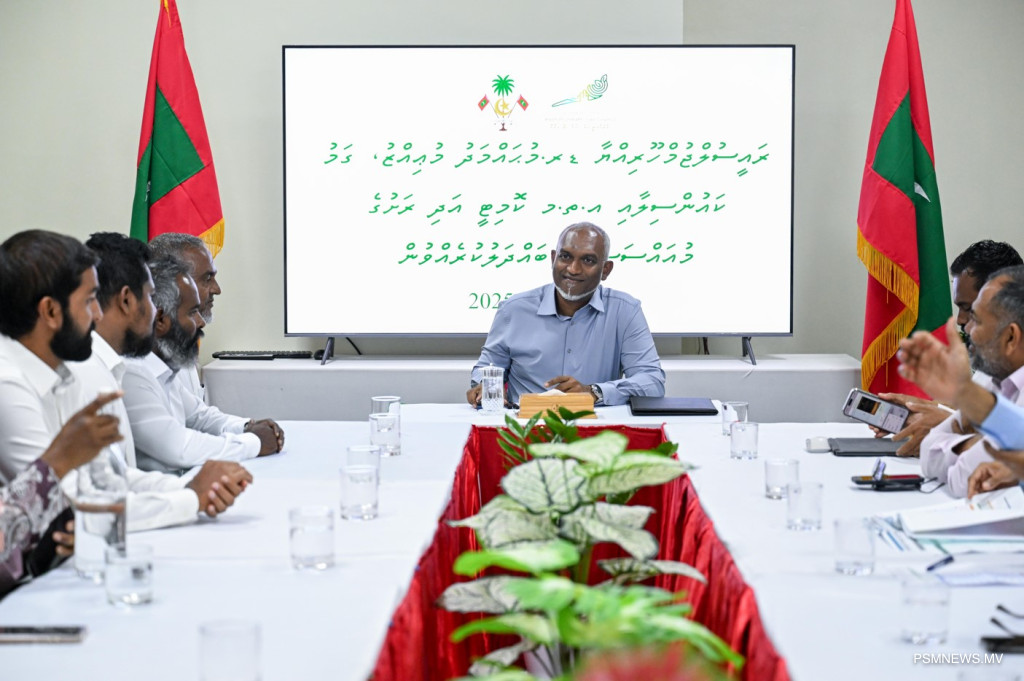
The government will introduce sweeping governance reforms in the 2026 local elections, reducing the number of elected island councillors by 261 to better align representation with population size. The decision follows a government-commissioned study that found maintaining five councillors in small communities to be operationally inefficient. Under new constitutional and legislative amendments on decentralisation, islands with fewer than 2,000 residents will elect three officials, while larger populations will continue to retain five-member councils.
The administration has also abolished Atoll Councils, removing an administrative tier deemed redundant after officials concluded that regional representatives often prioritised individual island interests over broader atoll welfare. Resources once allocated to these bodies will now be channelled directly to island councils, a redirection the government says will strengthen social welfare and development initiatives while fostering more direct engagement between local authorities and the central administration. The restructuring is expected to streamline communication and reduce bureaucratic delays.
The reforms will affect 133 islands, reducing the total number of elected councillors to 629, down from 890 in 2021. Officials anticipate that the contraction will ease fiscal pressures, with savings on salaries redirected to community programmes. The new three-member councils, comprising a president, a designated female representative, and a general member, are intended to ensure efficient resource utilisation while maintaining representation across key constituencies.
Government Streamlines Local Representation, Redirecting Resources to Communities

Fetched On
Last Updated
Last Updated

