

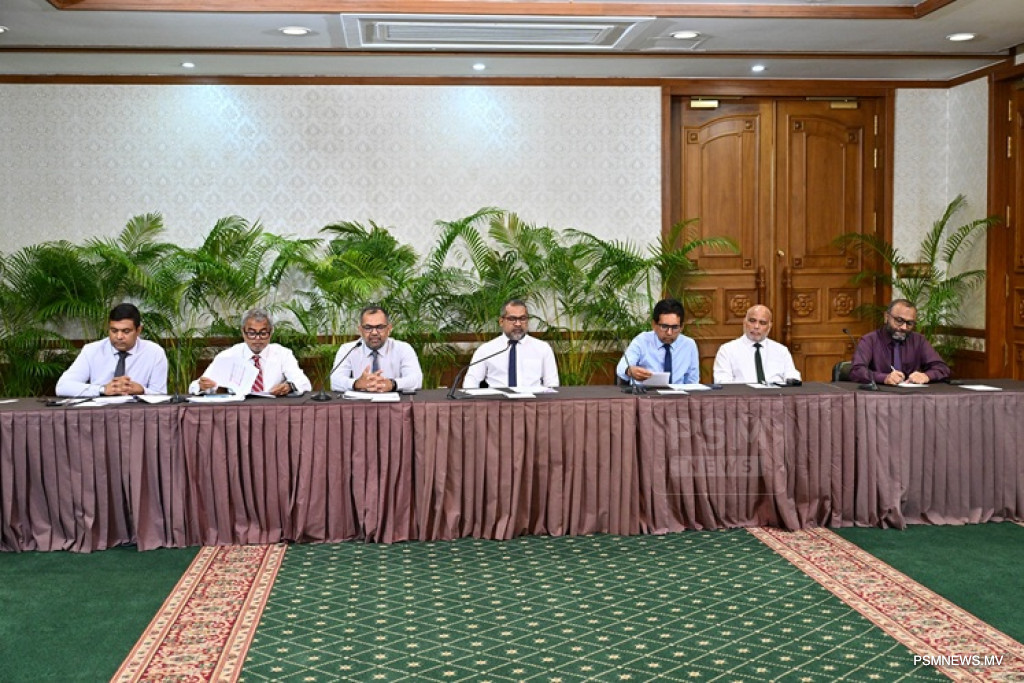
Responding to the escalating economic pressure, the government and its state-owned enterprises have rolled out a sweeping austerity plan designed to mitigate the national financial impact, in the wake of a military offensive launched against Iran by Israel and the United States in late February.
In response to the military offensive, Iran has enacted a critical geopolitical retaliation—blocking the Strait of Hormuz. This strategic chokepoint, a vital artery for around one-fifth of the world's oil and natural gas shipments, is now effectively closed, sending shockwaves through global energy markets. The immediate consequence has been a sharp spike in oil and gas prices, which is now cascading into a higher cost of living worldwide and forcing nations to implement urgent cost-cutting strategies.
A cornerstone of the austerity plan being implemented by the government is a severe restriction on travel. The government has suspended all non-essential flights and official travel for training and other purposes across all agencies. The Minister of Foreign Affairs Dr Abdulla Khaleel confirmed that several of his own international trips have been postponed or canceled, with the government prioritising online participation in meetings wherever possible.
Further tightening the nation's belt, the Ministry of Finance and Planning is crafting a special plan to identify and reduce operational expenditures. This directive has been echoed across government-owned companies, which are enacting changes as directed by their parent agency, the PCB. These measures include an immediate ban on overtime work, a freeze on new hires, and a postponement of all salary increases. Company travel is suspended except for absolutely essential purposes, and all firms have been advised to find innovative ways to reduce administrative overhead.
The government has assured the public that these austerity measures will not disrupt critical projects in the health and housing sectors. However, it has acknowledged that should the economic situation deteriorate further, other projects may be postponed based on a strict priority order.
Despite the cuts, the government is actively monitoring the prices of over 160 food items to prevent the cost of living from skyrocketing. A list of 26 items designated as basic commodities continues to be supplied to the market at affordable, controlled prices.
While the conflict has prompted drastic measures in some nations, the government has stated it will not take extreme action immediately but remains prepared to adapt to the rapidly changing global circumstances.
Government suspends non-essential travel under austerity measures

Fetched On
Last Updated
Last Updated


