

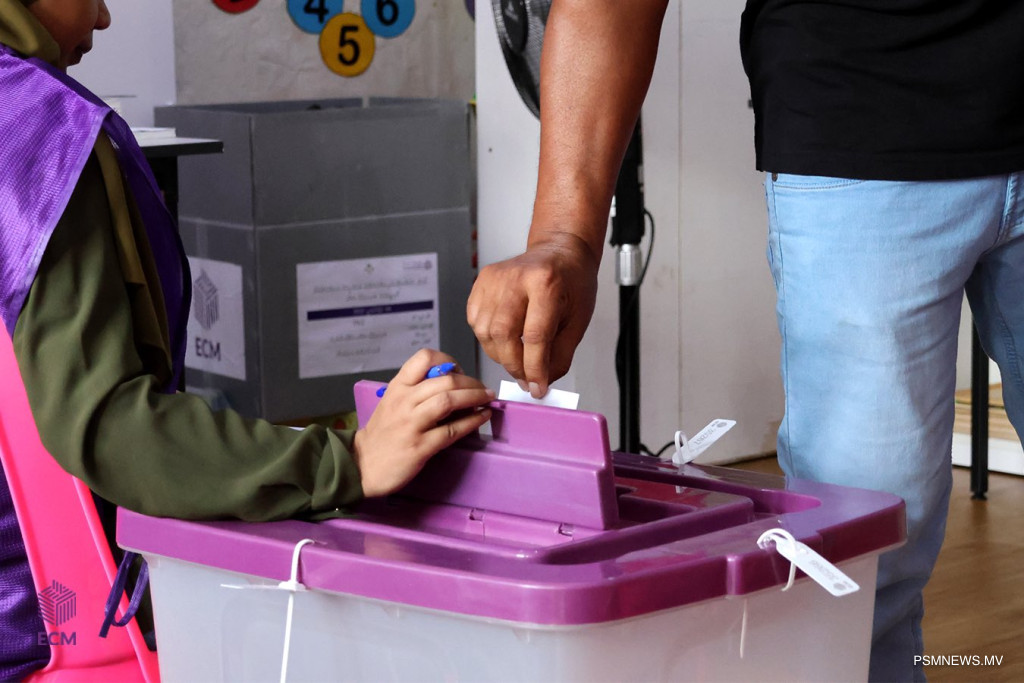
In the Maldives, presidential elections are held every five years, followed six months later by parliamentary elections. What has long been a constitutional sequence is increasingly regarded by political observers as inefficient, with calls for reform to synchronise the two events. Seventeen years of electoral practice have intensified debate on the issue.
The current system imposes substantial financial and administrative demands. Conducting two nationwide elections within a short period requires duplication of resources. Estimates indicate that synchronising the elections could save the government at least USD 7.78 million. Voter turnout patterns also highlight the disparity: participation is typically higher during presidential elections but declines during subsequent parliamentary polls.
Political stakeholders have broadly expressed support for synchronisation in principle, with discussion centred on how it might be implemented. Former President Ibrahim Mohamed Solih, during his tenure representing the Maldivian Democratic Party (MDP), publicly supported merging the country’s three major national elections. The party has also advanced formal proposals aimed at achieving that objective.
The six-month interval between elections has also been cited as a governance challenge. A newly elected president assumes office while preparing for another electoral cycle to secure parliamentary backing. This misalignment has, at times, led to tensions between incoming administrations and sitting legislatures, including disputes over cabinet confirmations, delays in budget approval, obstacles to public projects and impeachment efforts. Observers note that such dynamics can shift political focus towards short-term parliamentary strategy rather than long-term policy planning.
Beyond the political sphere, the arrangement may contribute to uncertainty for businesses and citizens, potentially affecting economic confidence. Several countries, including the United States, Argentina, Indonesia, Kenya and Nigeria, operate synchronised electoral systems.
Proponents of reform argue that synchronisation could enhance fiscal efficiency and support more stable governance structures.
Calls grow to synchronise presidential and parliamentary elections

Fetched On
Last Updated
Last Updated

