

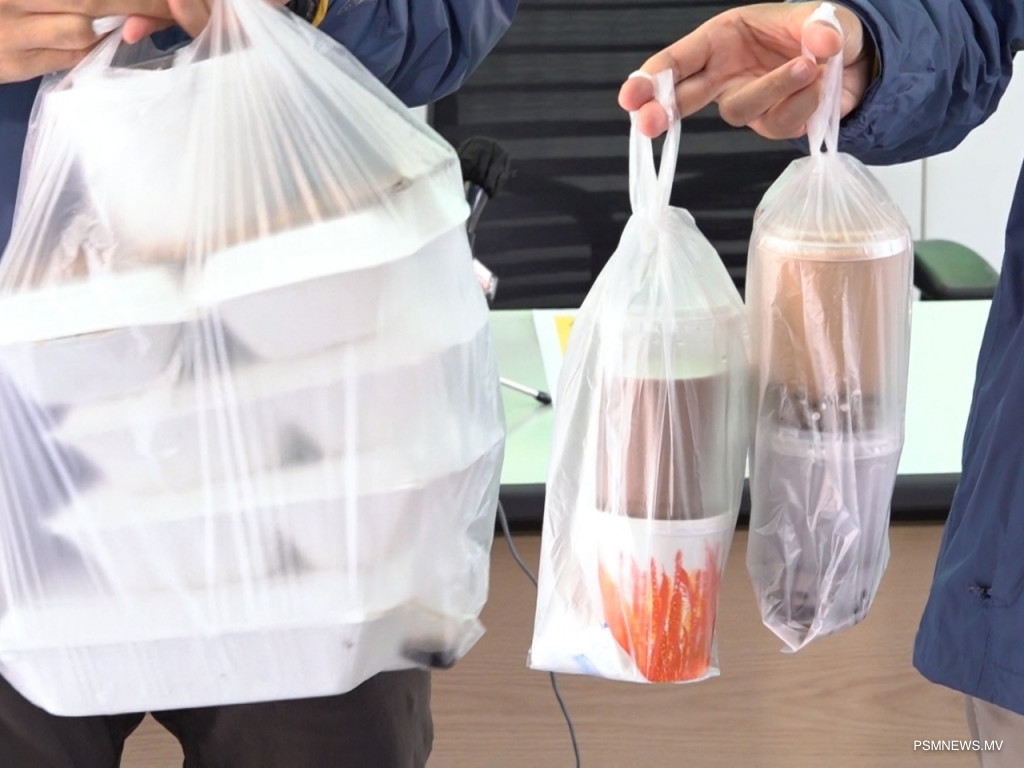
A signature environmental policy in the Maldives is achieving its intended objective of stifling plastic consumption, as new fiscal data reveals a 40 percent collapse in revenue from the nation’s plastic bag levy. According to statistics released by the Maldives Inland Revenue Authority (MIRA) for the first two months of 2026, the state collected USD 43,259.47 from the surcharge, a sharp divergence from the USD 72,186.64 accumulated during the same timeframe the previous year.
The levy, a central mechanism of the national Waste Management Act, has mandated a fee of USD 0.13 per bag at the point of sale since 18 April 2023. Under the regulation, all commercial entities registered for the Goods and Services Tax are legally obligated to remit the entirety of these environmental fees to the state.
Officials providing institutional clarity on the figures noted that the diminishing receipts are a direct result of a declining volume of plastic bag imports. Tax authorities observed that financial forecasting for the measure has historically anticipated such an outcome, with the underlying expectation that consumption would steadily erode as the country moved away from plastic reliance.
To accommodate essential trade and sanitary needs, the government maintains specific exemptions. The fee is waived for bags distributed by duty-free establishments, those utilised for the carriage of fresh, unpackaged fish, and bin liners issued for waste disposal by relevant administrative bodies.
Maldives plastic bag revenue falls 40 percent in early 2026

Fetched On
Last Updated
Last Updated

