
The Maldives has implemented one of the most comprehensive healthcare reforms in its history, decentralising services that were once heavily concentrated in the capital and achieving international recognition for the pace of transformation.
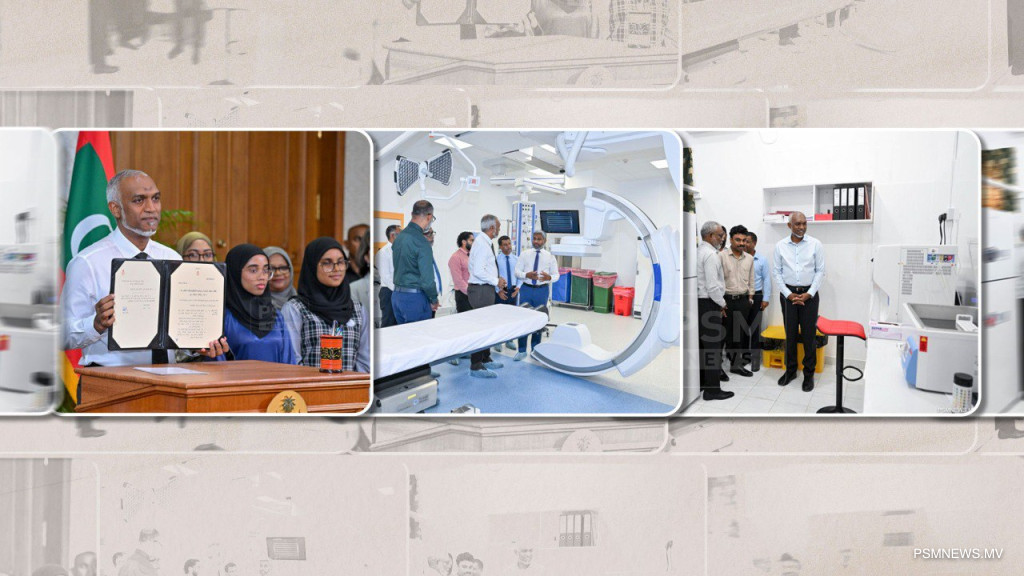
Over the past two years, President Dr Mohamed Muizzu’s administration has expanded advanced diagnostic services including radiology, Magnetic Resonance Imaging (MRI), and Computed Tomography (CT) to hospitals across the outer atolls. The government has also pledged to complete 76 new island laboratories by year’s end, significantly reducing reliance on Malé for essential medical testing and critical care.
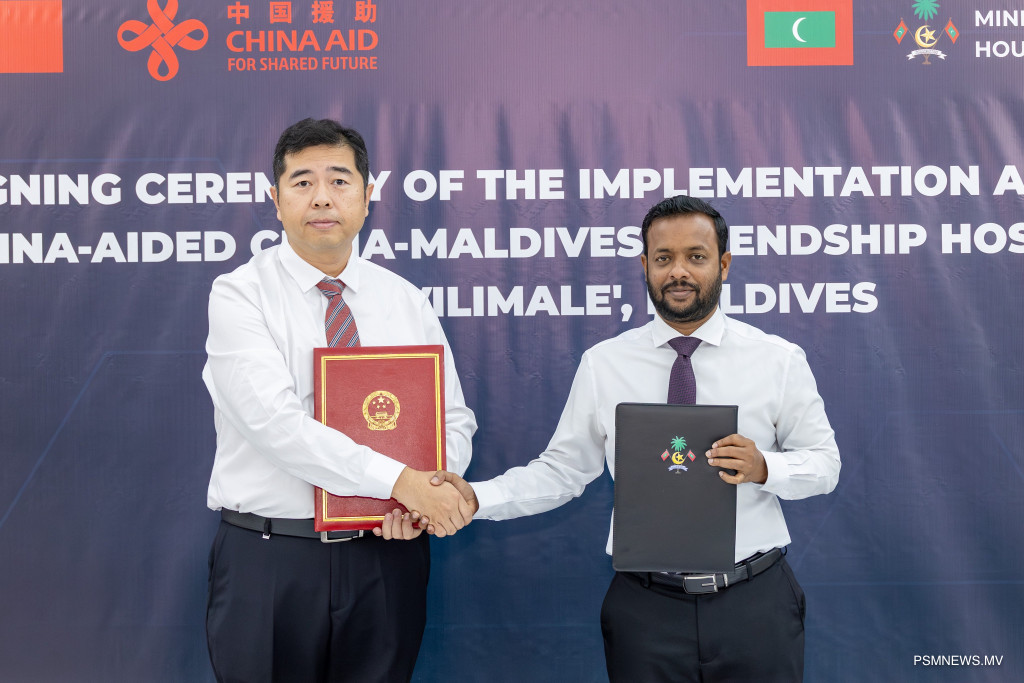
These reforms form part of 168 active healthcare projects nationwide. Among the most prominent is a Chinese-funded 100-bed tertiary hospital in Villimalé, alongside the establishment of the State Pharmaceutical Corporation, designed to ensure a stable and quality-assured national medicine supply chain.
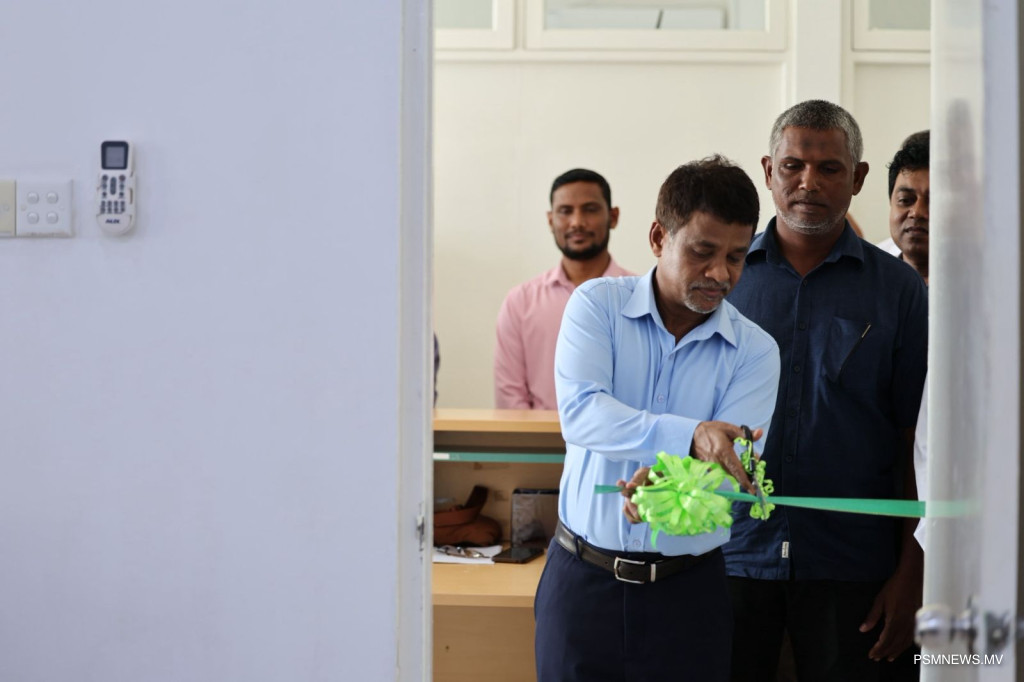
In response to rising non-communicable diseases, particularly kidney failure, dialysis centres have been opened in nine new locations. This expansion alleviates the logistical and financial burden previously faced by patients travelling to Malé for treatment.
In the capital, Indira Gandhi Memorial Hospital (IGMH) has introduced a multi-specialist ward dedicated to complex surgical procedures. Meanwhile, Dharumavantha Hospital is now fully operational, offering state-funded in vitro fertilisation (IVF) and advanced fertility services.
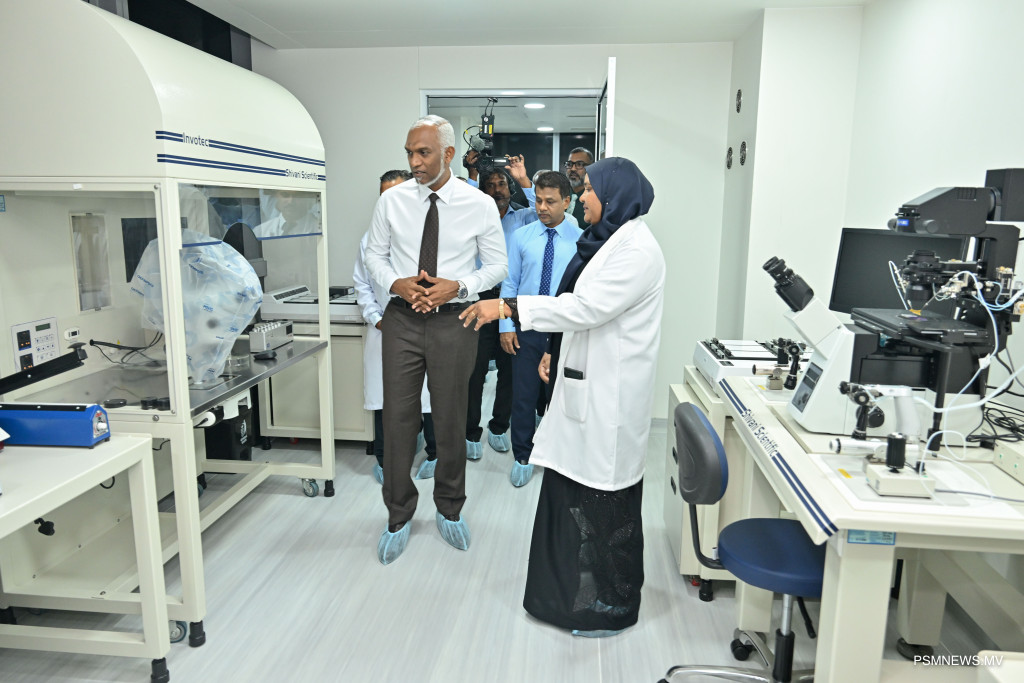
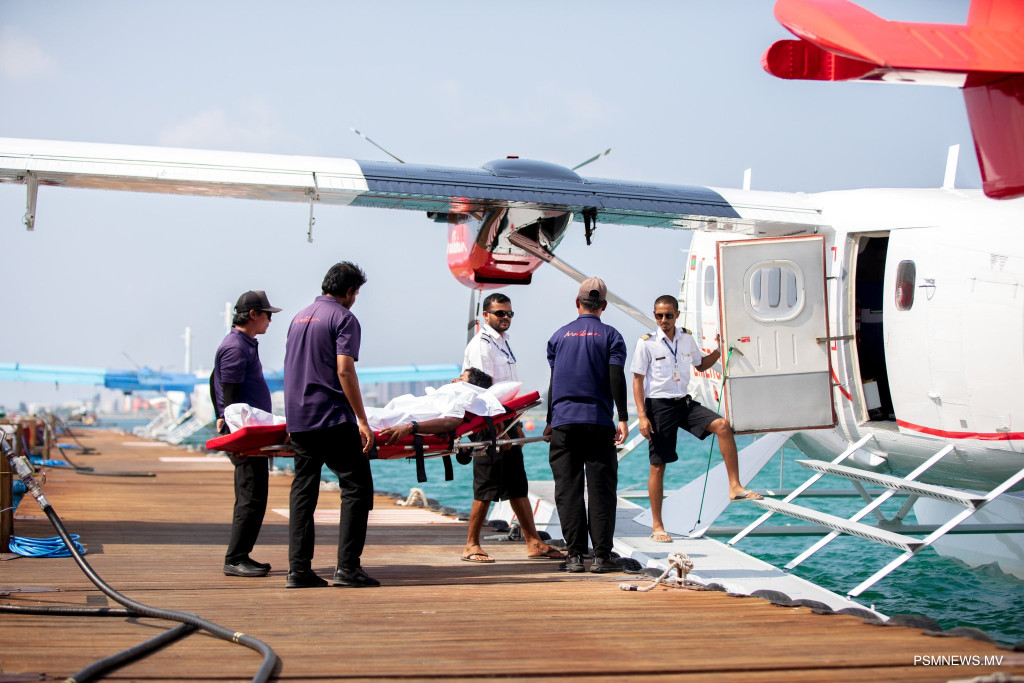
Emergency response capabilities have also been strengthened through the launch of a national air ambulance service, which has conducted more than 1,500 medical evacuations to date. Support for thalassaemia patients has progressed with the opening of the country’s first government-operated DNA laboratory.
Public health initiatives have expanded in parallel. The administration has introduced measures aimed at creating a smoke-free generation, including a ban on vaping and the establishment of tobacco cessation clinics offering subsidised nicotine replacement therapies. Mental health services have likewise been broadened through a 24-hour national helpline and new clinical facilities across the atolls.
These efforts have drawn commendation from the World Health Organization (WHO), which honoured President Muizzu for anti-tobacco leadership and certified the Maldives as the first country to simultaneously eliminate mother-to-child transmission of HIV, syphilis, and hepatitis B.
The scale of healthcare expansion has generated employment growth, with more than 1,700 new positions created to meet increasing patient demand.
Looking ahead, the administration has announced ‘Maldives 2.0’, a digital transformation initiative aimed at modernising public services, including patient record management and data systems. A USD 3.24 million allocation to expand services for persons with disabilities further underscores the government’s commitment to inclusive and equitable healthcare delivery nationwide.
Government reshapes healthcare in two years, earning global recognition

Fetched On
Last Updated
Last Updated


