

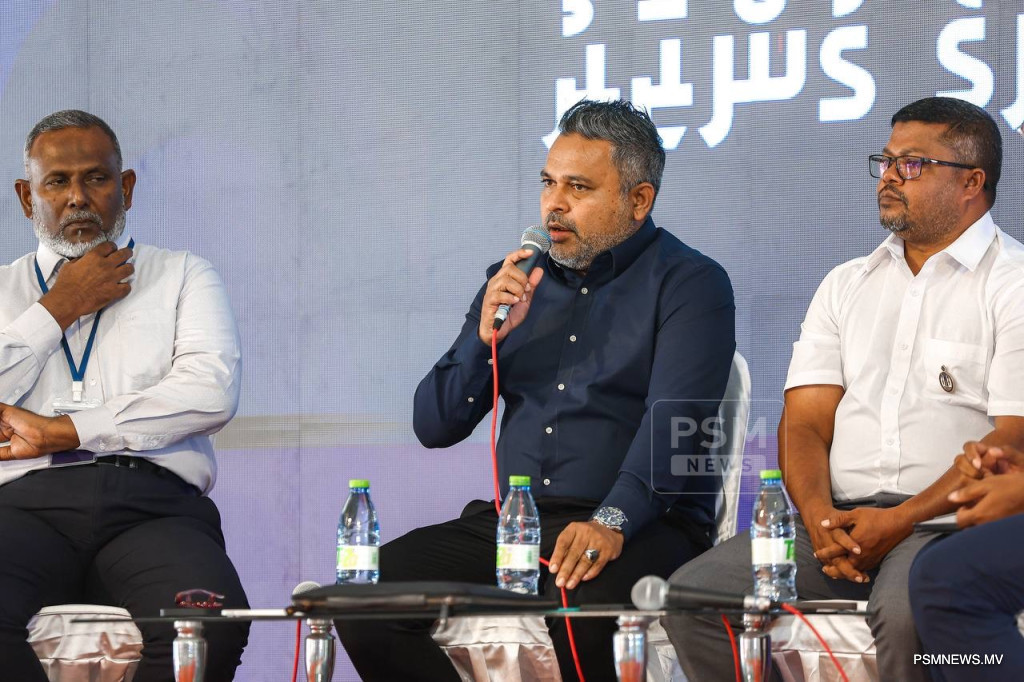
The Maldives is preparing to host the 30th session of the Indian Ocean Tuna Commission (IOTC).
The meeting is scheduled to take place from the 4th to the 15th of this month in Malé.
According to the Ministry of Fisheries, Agriculture and Ocean Resources, more than 200 delegates are expected to attend, including representatives from Indian Ocean coastal states, international organisations, fisheries experts, and senior officials.
The Ministry stated that hosting the IOTC’s 30th session in the Maldives presents an important opportunity to further strengthen the country’s fisheries industry and enhance its role in the international arena. It is also expected to bring significant progress to the fisheries sector.
It added that securing such an important opportunity reflects the government’s ongoing efforts, led by President Dr Mohamed Muizzu, to advance the fisheries sector. The government has been undertaking key initiatives both domestically and internationally to promote fisheries development.
In addition to the main commission meeting, several important committee meetings under the IOTC will also be held in the Maldives. These include: the 23rd session of the Compliance Committee, the 23rd session of the Administration and Finance Committee and the 10th session of the Technical Committee on Management Procedures.
This marks the first time an IOTC Commission meeting is being held in the Maldives. The Ministry noted that hosting such a significant event highlights the Maldives’ leadership role in shaping fisheries policies at both regional and international levels, as well as its contribution to the management of the sector.
The IOTC is a regional fisheries management organisation responsible for ensuring the conservation and sustainable use of tuna and tuna-like species in the Indian Ocean.
Decisions made by the Commission include measures for sustainable management of tuna stocks, setting catch limits, and guiding scientific research. These decisions help maintain healthy fish populations and ensure that the benefits of the fisheries industry are preserved for future generations.
Maldives to host IOTC 30th session

Fetched On
Last Updated
Last Updated

