

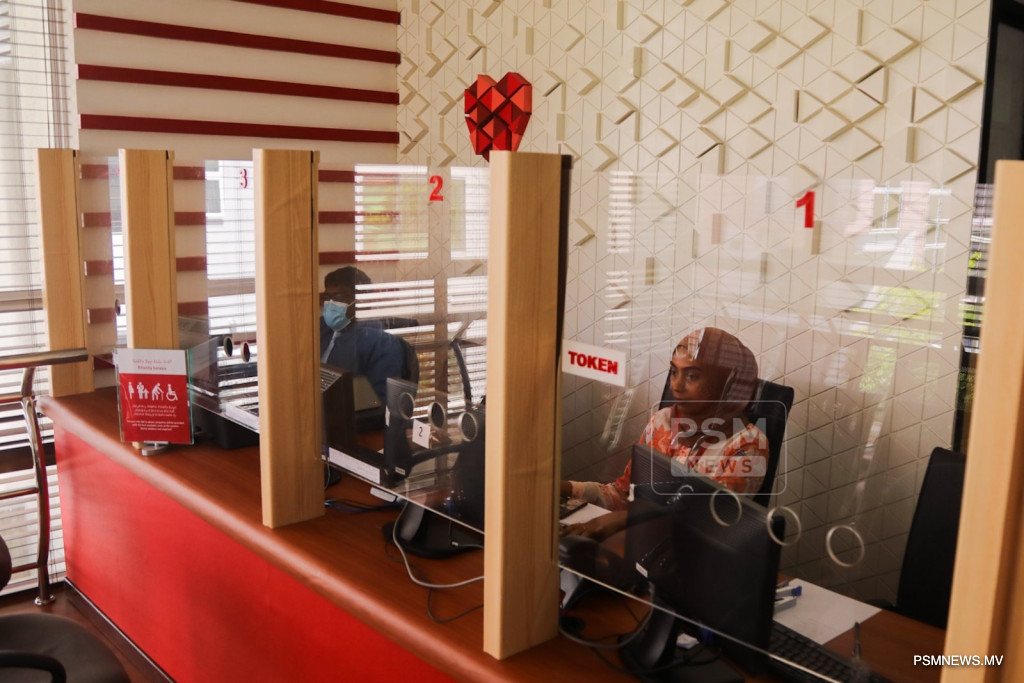
Managing Director of Aasandha Company Limited, Aminath Zeeniya, has stated that although Aasandha provides access to more than 3,000 essential medicines through 800 pharmacies across the Maldives, the continued lack of availability of medicines in pharmacies must be treated as a serious issue requiring investigation.
She made the remarks during a State-Owned Enterprises (SOE) Committee meeting held at the President’s Office.
As shortages of pharmaceuticals continue to emerge as a growing concern in the Maldives, representatives from all relevant agencies attended the meeting. During the discussions, Zeeniya outlined the various unresolved aspects of the issue.
“About 60 percent of our payable scheme is being funded by pharmacies. Despite this, there are still many difficulties faced when it comes to obtaining medicines through this scheme. Therefore, we need to investigate this matter,” Zeeniya said.
Pharmaceuticals are imported in accordance with the Approved Drug List issued by the Maldives Food and Drug Authority (MFDA). However, Zeeniya noted that there is currently no system in place to ensure that medicines included in the Essential Medicines List are consistently available in all pharmacies across the Maldives.
She explained that while the MFDA only registers pharmacies that meet the required standards, many pharmacies still do not stock the essential medicines in practice. Zeeniya further stated that although most pharmaceuticals included in the Approved Drug List are being imported into the country, there is no monitoring system to identify which medicines are unavailable in pharmacies. She also noted that pharmacies are responsible for updating the Drug List and medicine prices whenever there are changes in pharmaceutical brands.
According to Zeeniya, residents have expressed concerns not only over the shortage of medicines, but also over the quality of some pharmaceuticals being sold in the country. She added that there is currently no control over the national wholesale prices of medicines, noting that medicine prices had increased by between 500 and 600 percent over the past two years.
Zeeniya said the government is attempting to address the issue through bulk procurement of medicines, although this is currently possible for only a limited number of pharmaceuticals. She added that there have also been calls for medicines to be sold at lower prices under Aasandha rates.
Aasandha calls for probe into medicine shortages

Fetched On
Last Updated
Last Updated


