

The festive spirit of Eid al-Adhaa has once again swept across the Maldives, transforming islands from north to south into vibrant centres of communal celebration and cultural expression.
Each year, thousands of residents and visitors gather in the island communities to partake in festivities that have become quintessential examples of social cohesion and cultural preservation in the island nation. This year, however, the celebrations carry an added dimension of significance, as island councils and communities have taken deliberate steps to ensure that festivities align more closely with Islamic religious principles, reflecting a broader movement toward meaningful observance of the holy occasion.
The commencement of Eid activities follows time-honoured traditions that distinguish Maldivian celebrations from those elsewhere in the Muslim world. As the sun sets on the day of Hajj, the islands come alive with the echoing sounds of Vedhumaa dhiyun—a traditional Maldivian custom performed during Eid celebrations, where island residents go to their local leaders or community elders to officially request permission to begin Eid festivities and the ceremonial lighting of the Eid Hulhu—lighting of the bonfire, practices that have been maintained for generations and continue to serve as the official harbinger of Eid festivities.
This traditional announcement marks the beginning of a celebration period that varies in its timing across different islands, with communities from the northern atolls to the southern reaches organising their activities on different days, creating a continuous wave of festivities that spans the entire nation.
The activities programmed across the islands represent a harmonious blend of traditional Maldivian culture and contemporary expressions. Traditional sports and cultural performances remain central to the celebrations, with activities such as Koadi Kendun, Boduberu, Dhandijehun and Bandiyaajehun taking centre stage in many communities. These performances, deeply rooted in Maldivian heritage, serve as vital links to the nation's past and are recognised by cultural experts and religious scholars alike as essential components of identity preservation. Despite the inexorable march of time and the infiltration of foreign cultural influences, island communities have demonstrated a commendable commitment to maintaining these traditional elements, recognising that such practices form the bedrock of Maldivian cultural uniqueness.
Religious observance has assumed renewed prominence in this year's celebrations, guided by the counsel of respected Islamic scholars who have worked closely with island councils to prioritise activities consistent with the spiritual significance of Eid al-Adhaa. The Thakbeer parade, a procession accompanied by religious recitations, has become a cornerstone of celebrations in numerous islands, while Madhahakiyun and religious competitions have added deeper meaning to the festivities. Council officials, when planning their Eid programmes, have increasingly favoured activities that emphasise religious values and communal harmony over mere entertainment, a shift that religious scholars have welcomed as a positive development in Maldivian society. This concerted effort to realign celebrations with religious principles represents a thoughtful response to concerns about cultural practices drifting too far from Islamic traditions.
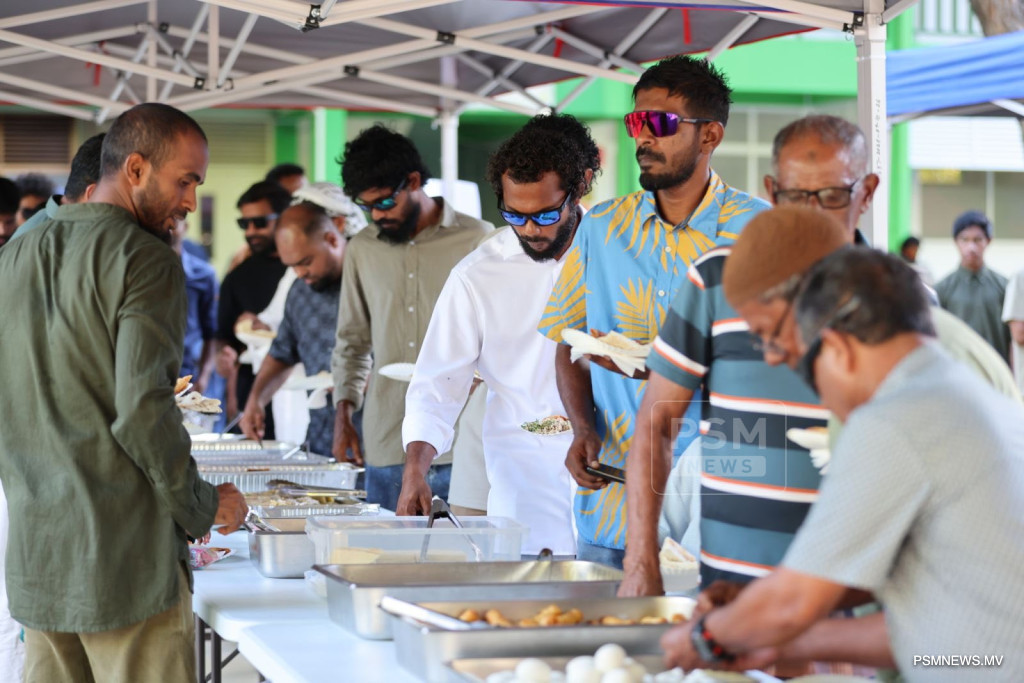
The modernisation of Eid celebrations has introduced new elements while preserving cherished customs. Children's evenings, stage performances, and competitive sporting events have expanded the appeal of Eid festivities, ensuring that younger generations remain engaged and enthusiastic about their cultural heritage. Community banquets and feasts bring families and neighbours together in celebratory meals, continuing the long-standing tradition of Eid tea gatherings that follow congregational prayers. Significantly, organisers have prioritised gender segregation in all activities, a measure that ensures families can participate in celebrations comfortably while maintaining boundaries that align with Islamic principles. This attention to respectful organisation has been particularly appreciated in family-oriented communities where multi-generational participation is valued.
As the usually bustling streets of Male' fall rather quiet in observance of Eid, the islands come alive with an energy that speaks to the deeper significance of community celebration. Island councils, local associations, and institutions have worked tirelessly to decorate their localities and organise programmes that bring residents together in shared festivity.
Eid al-Adhaa traditions flourish across Maldives with renewed religious focus

Fetched On
Last Updated
Last Updated

