
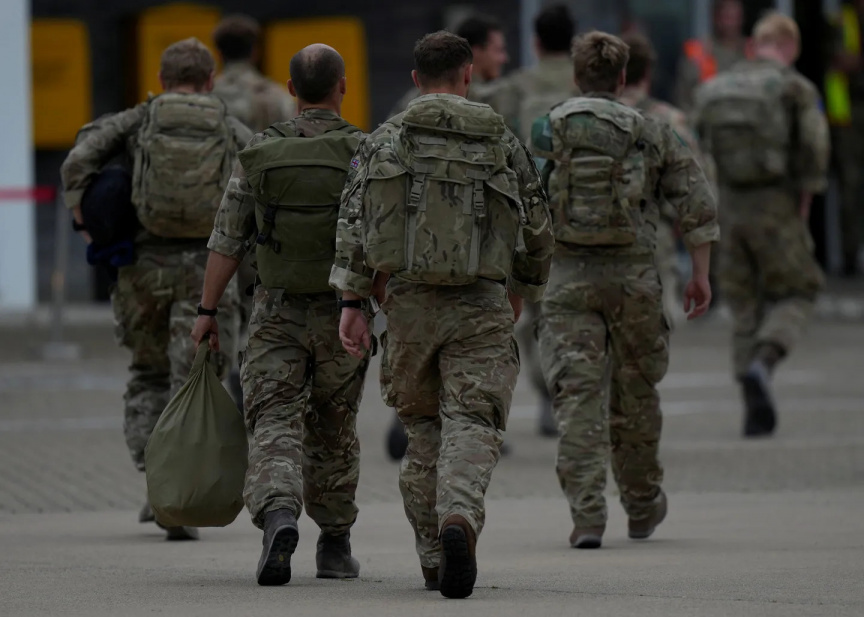
Two former heads of UK Special Forces suppressed evidence of potential SAS (Special Air Service) war crimes in Afghanistan, a former high-ranking officer has told a public inquiry.
According to a report by the BBC, the claims, made in closed sessions and published on Monday, come from testimony by an officer known as N1466, the most senior former special forces figure to allege a cover-up.
The Independent Inquiry relating to Afghanistan is examining allegations that SAS units unlawfully killed detainees and unarmed civilians, including children, during night raids.
Reporting restrictions mean the former directors accused cannot be named.
N1466 said he provided "explosive" evidence in 2011 suggesting "criminal behaviour" to the then-director of special forces.
He told the inquiry that the director who took over in 2012 "clearly knew there was a problem in Afghanistan" but failed to act.
"It was not just one director that has known about this," he said, claiming UK Special Forces leadership was "very much suppressing" the allegations.
He confirmed that neither director reported concerns to the Royal Military Police (RMP), despite a legal duty to do so.
Former director of service prosecutions Bruce Houlder KC said the law "imposed a very clear duty" on commanders to report suspected crimes, "including murder, which we are talking about here".
'Deliberate execution of Afghan males'
N1466's concerns began in February 2011, when operational reports showed unusually high numbers of Afghan men killed, with few weapons recovered.
He cited one raid in which nine men died but only three weapons were found.
He also referred to whistleblower claims that SAS troopers had bragged about killing all "fighting-age" males regardless of threat. "I will be clear, we are talking about war crimes," he said.
N1466 commissioned an internal review in 2011, which he said looked "startlingly bad" for the SAS. He accused the then-director of ordering a limited "fake exercise" instead of contacting police. "The director had made a conscious decision that he is going to suppress this, cover it up," he said.
He eventually reported the evidence directly to the RMP in 2015, calling it "a matter of great regret" that he had not gone sooner.
He described later raids that could have been prevented, including one in 2012 in which two parents were shot in bed alongside their toddlers.
The 2012 director told the BBC the allegations were refuted and that he would respond fully to the inquiry. The 2011 director did not comment.
Lawyer Tessa Gregory, representing Afghan families, said her clients were "grateful to this officer for giving such candid testimony", but concerned that many soldiers were refusing to give evidence.
The inquiry stressed it is "investigating the deliberate execution of Afghan males" and not split-second combat decisions.
___
Source: TRT
UK ex-special forces chiefs accused of suppressing evidence of war crimes in Afghanistan

Fetched On
Last Updated
Last Updated

